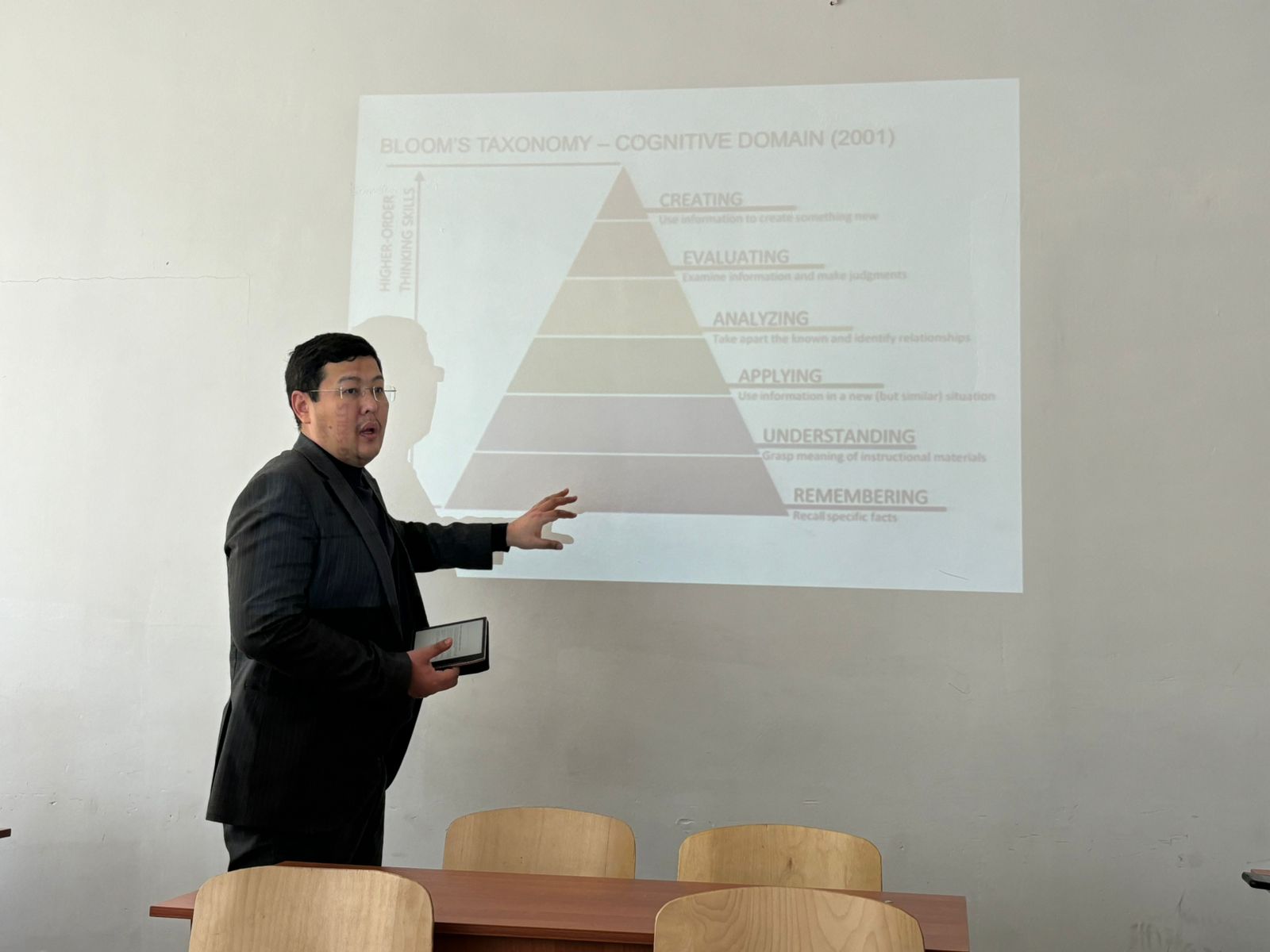
The scientific and methodological seminar held for teachers of the Department of History of Kazakhstan and Social and Humanitarian Disciplines was devoted to the topic: “Historical Thinking and Development of Analysis and Critical Thinking Skills in History Lessons.” The speaker at the seminar was Ph.D., Professor Abdimomynov Nurtas Talgatzhanovich.
During the seminar, Professor N.T. Abdimomynov discusses the importance of developing critical thinking in a historical context. He emphasizes that critical thinking is one of the key skills needed in the modern world (the AI era), and its development is important for students. It is important not only to receive feedback, but also to be able to give it, as this contributes to the successful development of critical thinking. Instead of simply memorizing dates and names, the professor suggests asking essential questions to understand why certain events were important and how they can still affect us today.
In addition, the seminar participants believe that in modern educational conditions, teaching methods that allow students not only to understand, recognize and evaluate the history and socio-cultural background of the country, but also contribute to their emotional, spiritual and intellectual development are increasingly important. One of the key skills that contributes to these goals is critical (historical) thinking in history lessons.
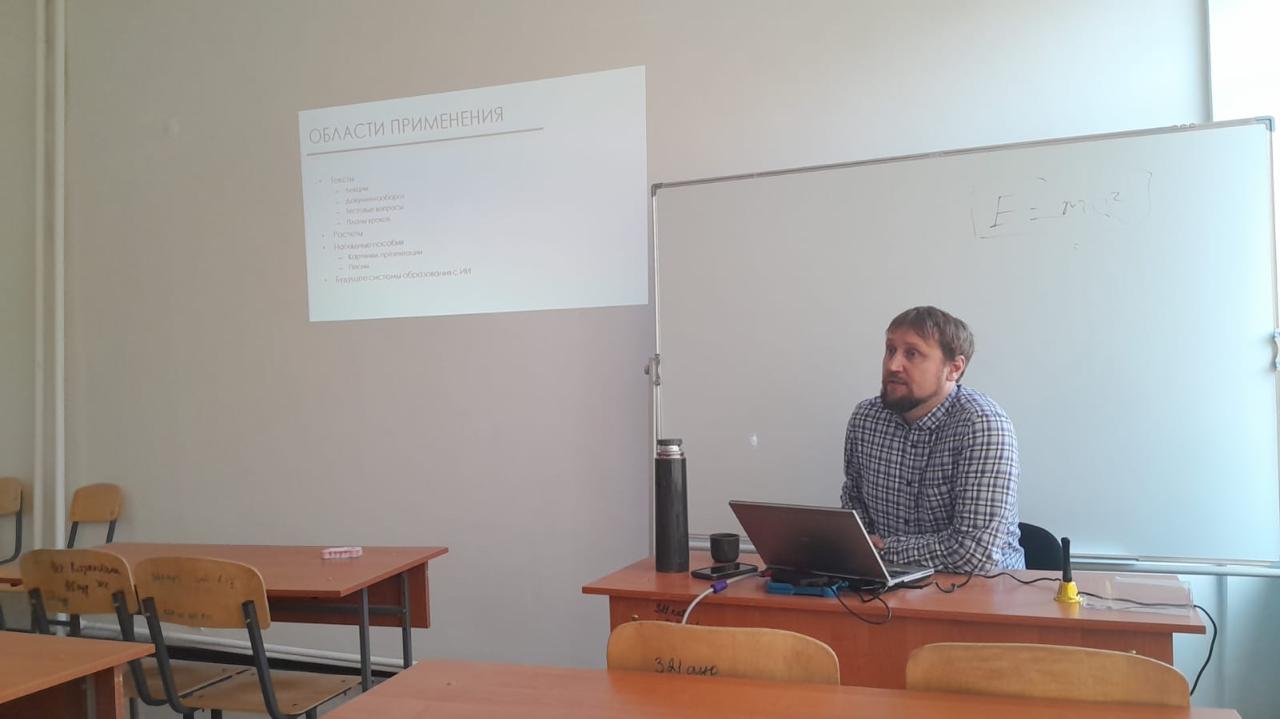
The scientific and methodological seminar held for teachers of the Department of History of Kazakhstan and the SHD was devoted to the topic: “Digital Assistant of the Professor: AI in the Service of Education”. The speaker at the seminar was lecturer Kolmakov A.V.
During the seminar, lecturer A.V. Kolmakov discussed the potential of using artificial intelligence in the educational process. He emphasized that AI can become a reliable assistant for teachers, significantly optimizing both educational and administrative work.
The participants of the seminar considered practical examples of the use of artificial intelligence in the educational sphere. Particular attention was paid to specific tools and resources that teachers can use in their daily work. A.V. Kolmakov presented an overview of existing AI-based programs and applications that can be useful in the educational process.
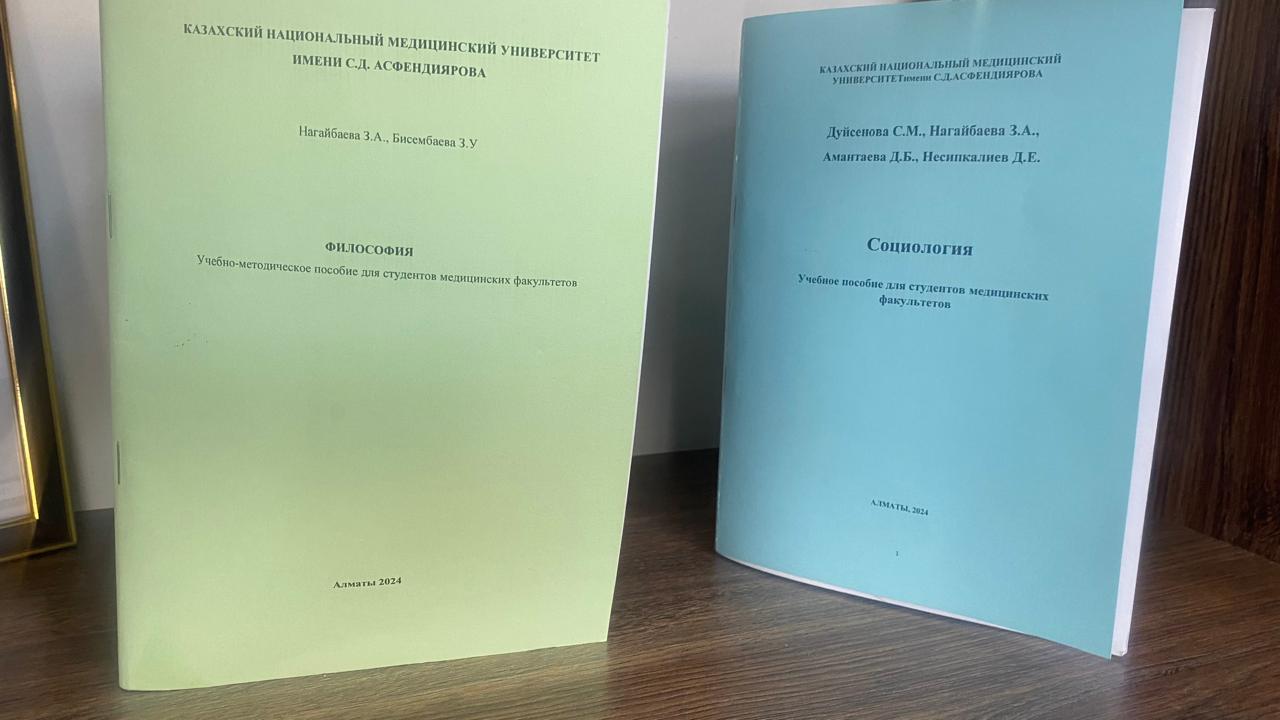
In 2024, the Department of History of Kazakhstan and the SHD published two significant textbooks intended for students of medical faculties, which will help in mastering key disciplines.
Philosophy. Educational methodological manual for students of medical faculties / Nagaybayeva Z.A., Bisembayeva Z.U. – Almaty, 2024 -90 p.
This methodological manual is aimed at studying the philosophical foundations of medicine and ethical issues arising in the process of medical practice. It will become a useful tool for developing critical thinking and an ethical approach in students.
Sociology. Textbook for students of medical faculties / Duisenova S.M., Nagaybayeva Z.A., Amantayeva D.B., Nesipkaliev D.E. – Almaty, 2024 -156 p.
This manual covers the main aspects of sociology necessary for understanding the social context in the field of medicine. It includes theoretical foundations as well as practical examples, which makes it indispensable for future healthcare professionals.
Both manuals are designed to meet the needs of students and the current state of medicine, which makes them relevant and in demand in the educational process.
