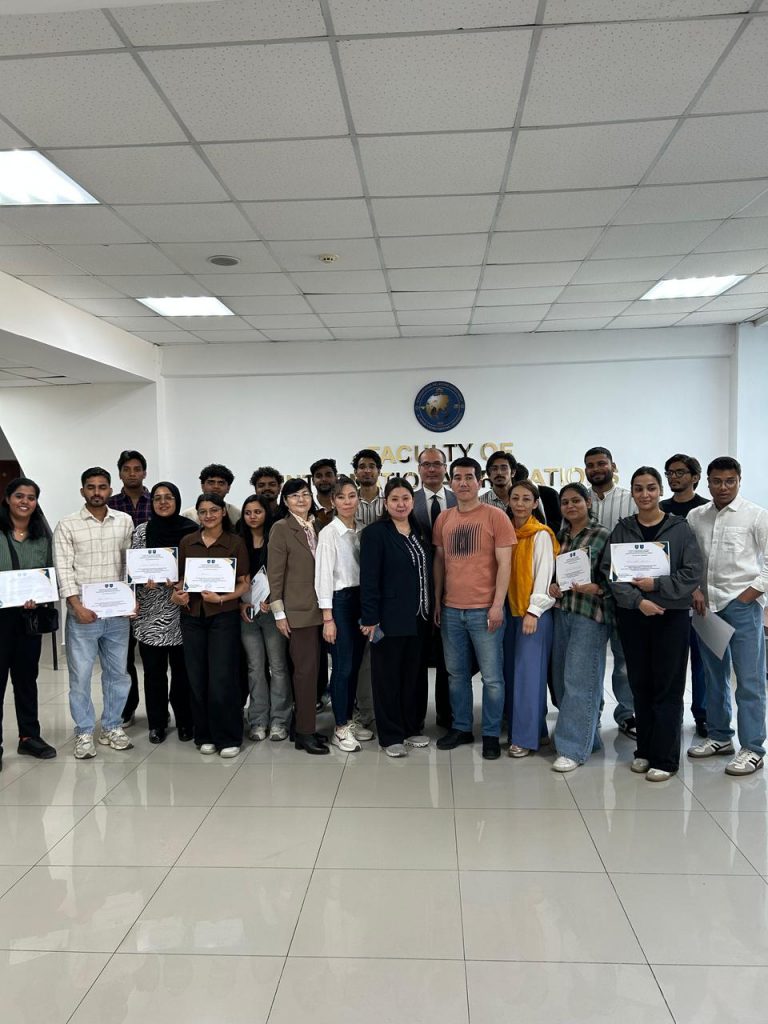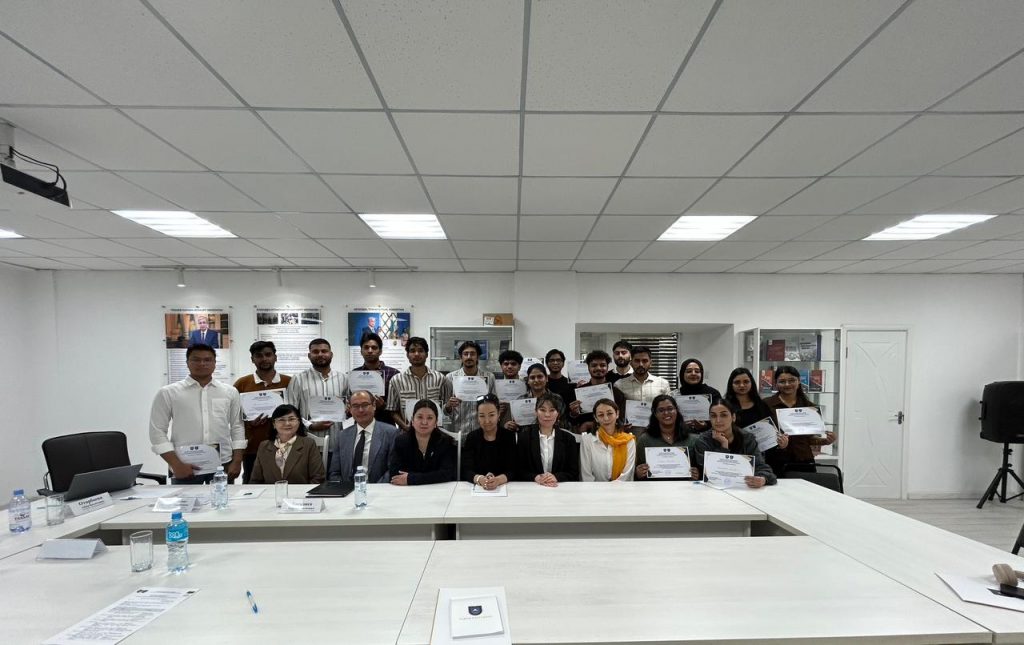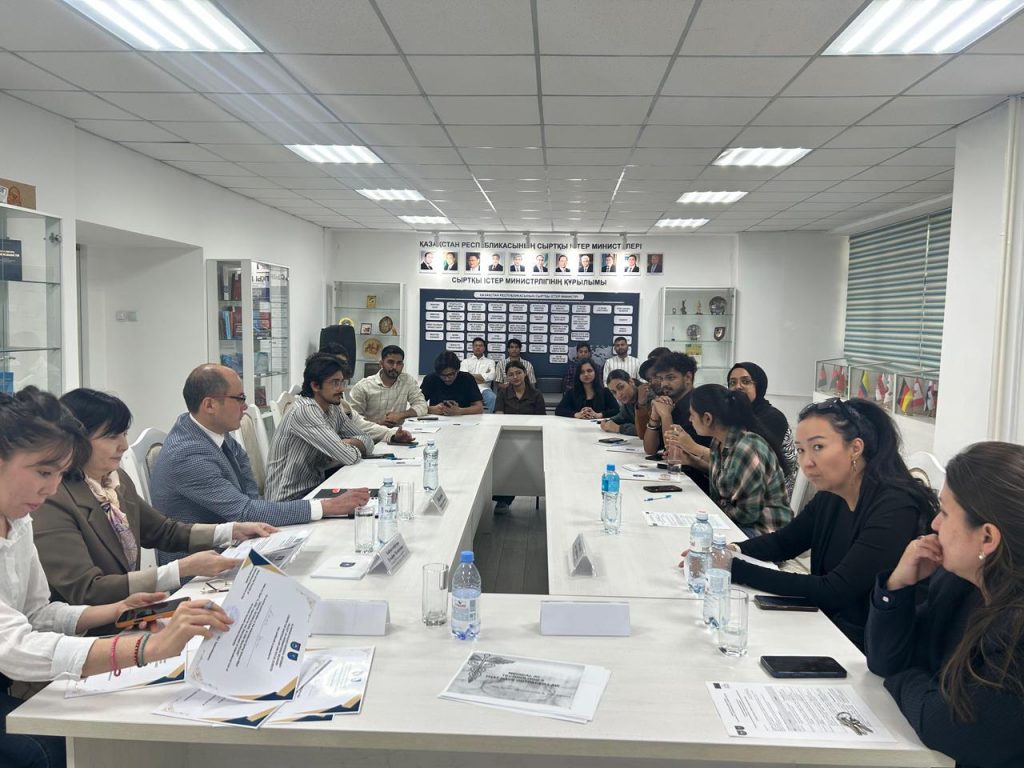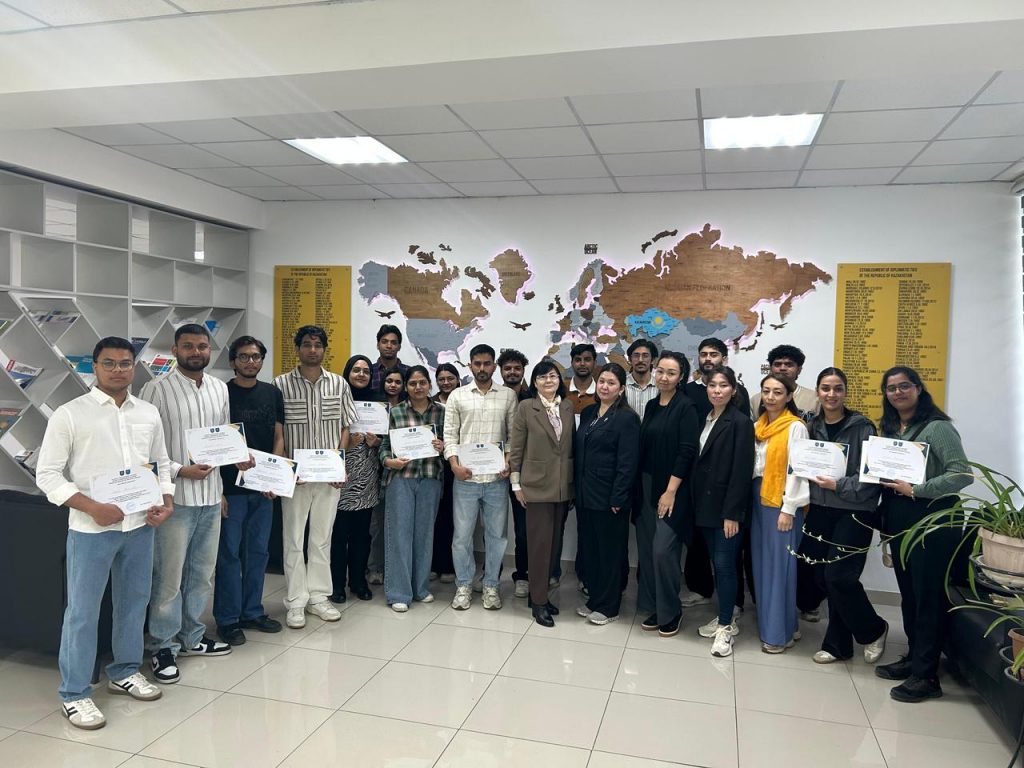
On April 14, 2026, the Faculty of International Relations at Al-Farabi Kazakh National University hosted the International Spring School on “Digital Technologies, AI and Healthcare,” organized by the Department of International Law and the Center for European Law and Social Sciences. The event was aimed at comprehensively discussing the pressing issues of interaction between international law, artificial intelligence, and healthcare in the context of global digital transformation.
The program was officially opened with a welcome speech by the Dean of the Faculty, Candidate of Legal Sciences, Professor Sairambayeva Zh.T., who provided an in-depth analysis of the regulatory and coordinating role of international law amid the rapid advancement of digitalization processes.
The event featured presentations by PhD, Associate Professor Altayeva K.Zh., PhD, General Director of REEL, LLP Bissaliyev M.S., PhD, Associate Professor Baimagambetova Z.M., PhD, Senior Lecturer Otarbayeva A.B., and other speakers. Their presentations addressed modern trends and legal regulation issues in the fields of international law, digital technologies, and healthcare. The reports combined theoretical insights with practical case studies and included interdisciplinary analysis.
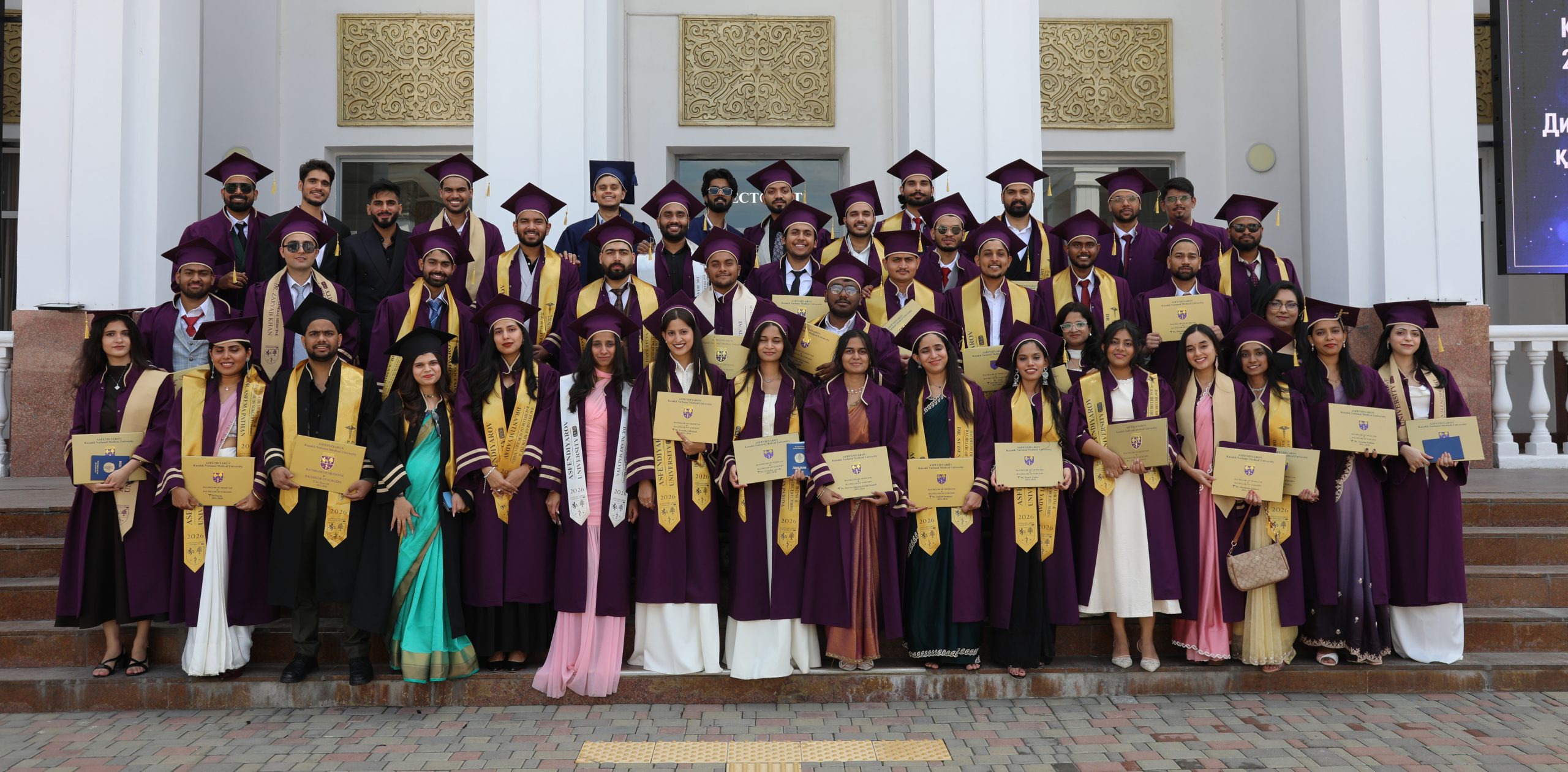
Students of the 3rd and 4th years (groups Med23-088a, Med23-089a, Med23-084a, and Gm22-73) of the International Faculty of the S.D. Asfendiyarov Kazakh National Medical University participated in the International Spring School under the supervision of Bertaeva B.S., a lecturer at the Department of Medical Law of the School of Public Health and a doctoral student. The participants demonstrated a high level of academic engagement by presenting research papers, actively participating in discussions, and expressing well-reasoned opinions on relevant issues. This contributed to the development of their research competencies, integration into the international academic environment, and enhancement of their professional skills.
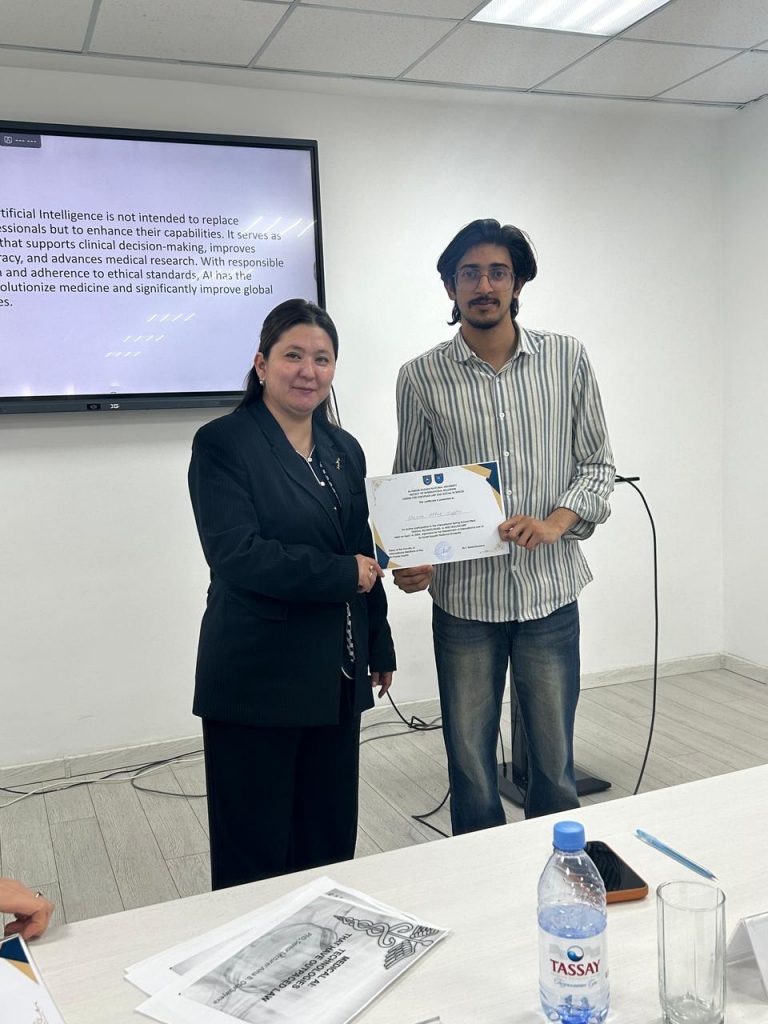
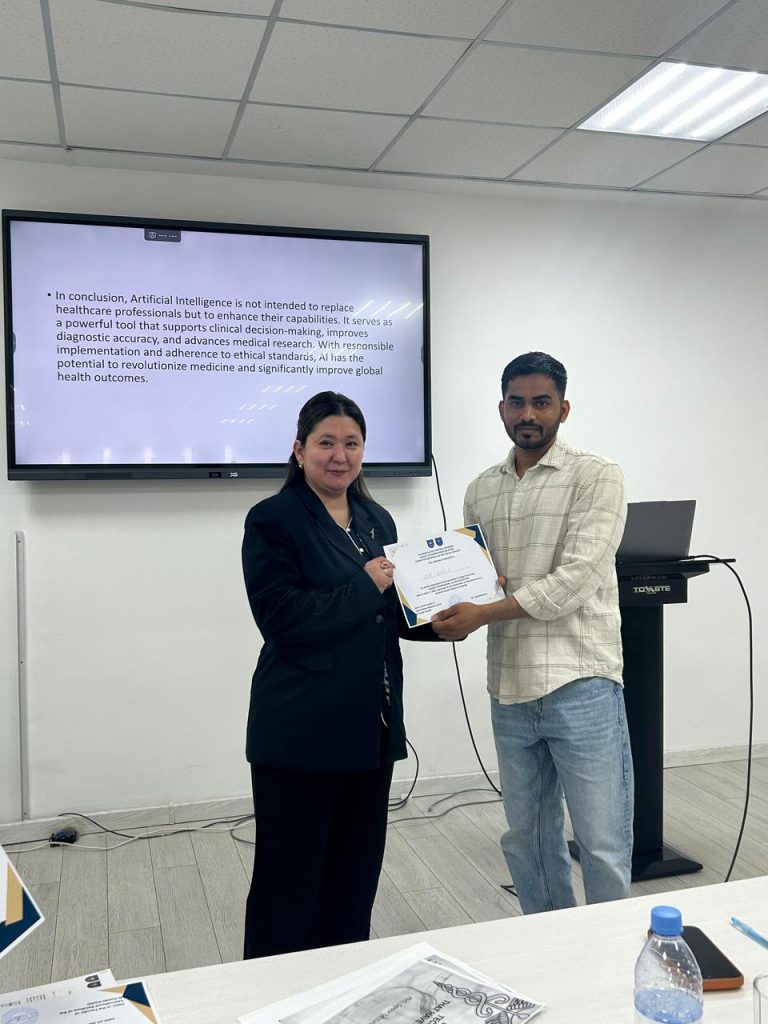
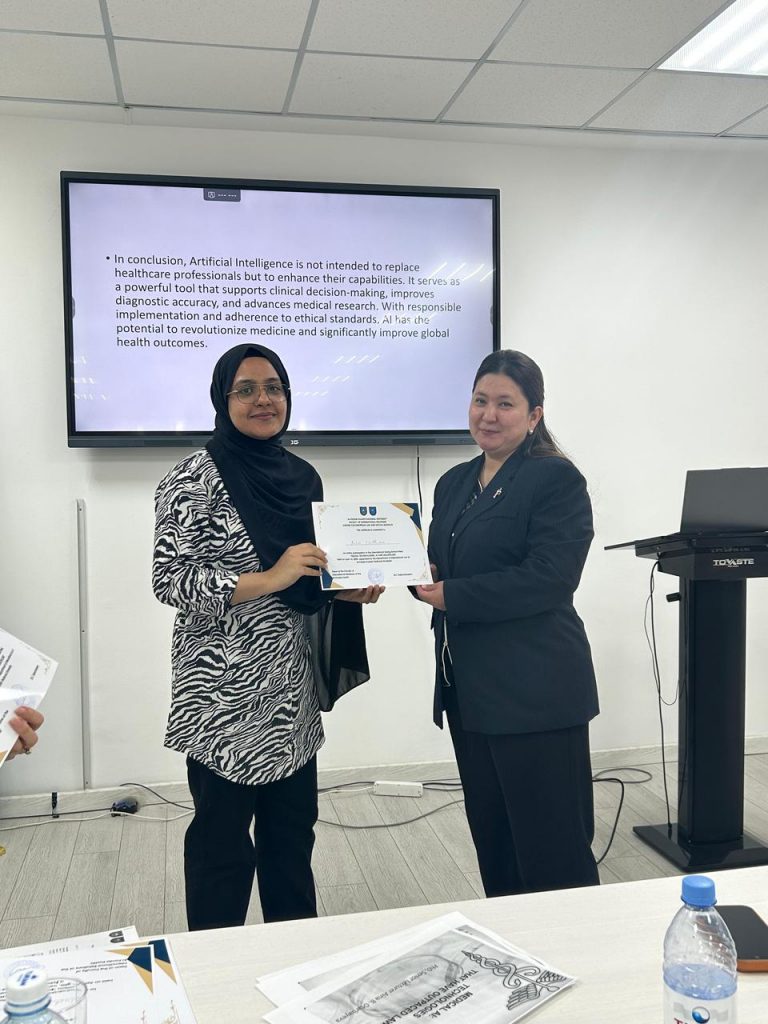
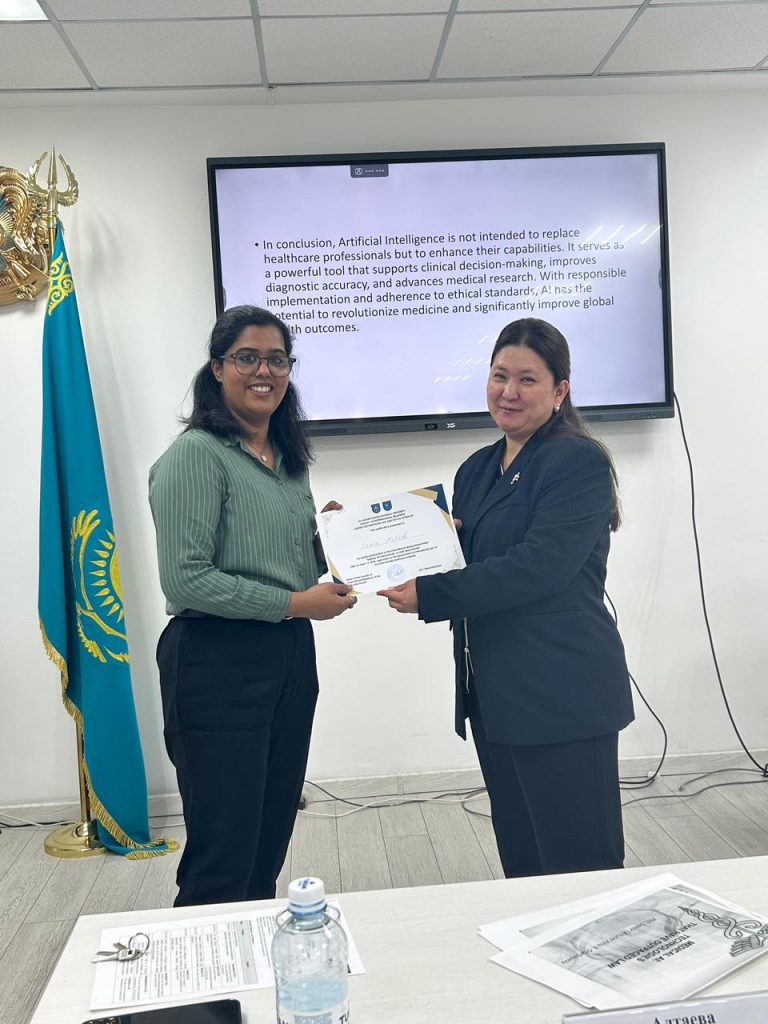
At the conclusion of the Spring School, participants were awarded certificates, and their scientific activity and research potential were highly appreciated by the organizers. The event once again confirmed its importance as a significant academic platform that fosters the development of young researchers, promotes international academic exchange, and contributes to the professional formation of future specialists.